




Leading with Compassion
~ by Chandrika Thatai (CEO & Founder FA Home Apparel)

As the CEO and Founder of FA Home & Apparel, I’ve spent over 20+ years immersed in the vibrant world of Indian textiles. Our journey, spanning continents from the US to Europe and beyond, has always been deeply rooted in the rich cultural heritage of India. Our business, deeply inspired by Indian culture, emphasizes not just the craftsmanship behind each piece but also the ethical and disciplined ways of working that are intrinsic to our heritage.
Indian textiles are more than just fabrics; they are a testament to centuries of artistry, tradition and cultural symbolism. And having the privilege of witnessing the rich, colorful world of Indian textiles up close. I’m excited to share insights that will help you delve into and appreciate this intricate world of Indian Textiles.
Understand the Historical Significance
Indian textiles have a rich history spanning thousands of years. From the ancient Indus Valley Civilization to the Mughal era and British colonial period, each epoch has influenced Indian fabrics. For example, the luxurious Banarasi silk from Varanasi has been renowned since the Mughal period for its intricate patterns and opulent designs. Understanding this history enhances appreciation of these textiles.
Appreciate the Cultural Symbolism
Each region in India has unique textiles that tell stories of local customs, beliefs, and traditions. For example, the vibrant patterns of Kutch embroidery from Gujarat often depict rural life and folklore, while Chikankari from Lucknow features delicate motifs representing Mughal gardens. Recognizing these symbols provides deeper insights into the textiles' narratives and the community it represents.
Recognize the Craftsmanship
The craftsmanship behind Indian textiles is awe-inspiring. Artisans spend countless hours perfecting their techniques, passed down through generations. Whether it’s the block printing of Rajasthan, the tie-dyeing of Bandhani, or the handloom weaving of Pochampally, each method requires exceptional skill and dedication. My advice is to pay attention to the precision of patterns, quality of materials and uniqueness of designs.
Explore Regional Diversity
India’s vast geography means a diversity of textiles, each with distinct styles and techniques. From the elegant silks of the South to the colorful embroideries of the North, the variety is endless. Visit textile markets in Jaipur for traditional block-printed fabrics or travel to Assam to discover the silk weaves of Sualkuchi. Each region offers a unique textile experience reflecting its local heritage and artistic expression.
Embrace Ethical and Sustainable Practices
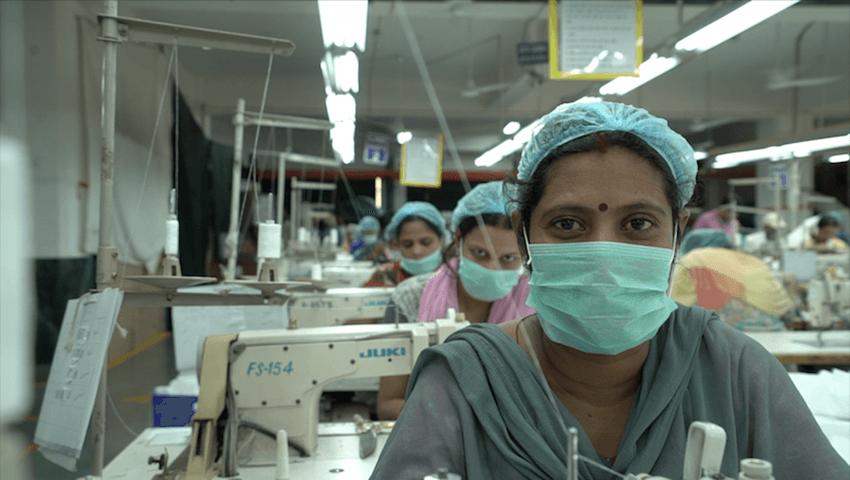
Support brands and artisans who prioritize fair trade and ethical production methods. This not only preserves traditional crafts but also ensures the well-being of the artisans. At FA Home & Apparel, we emphasize ethical practices and respect for all, deeply influenced by Indian cultural values.
By understanding these aspects, you can truly appreciate the beauty and significance of each fabric. Whether you're a textile enthusiast or a casual admirer, these tips will inspire you to explore
the vibrant world of Indian textiles.